Log Home Weatherproofing in Seattle, WA
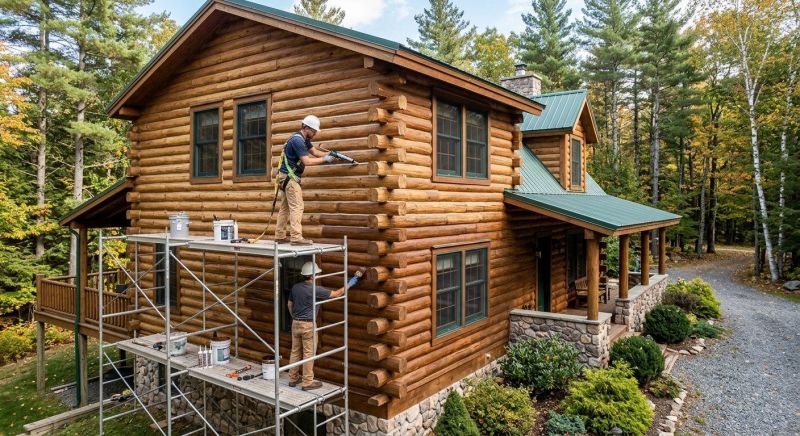
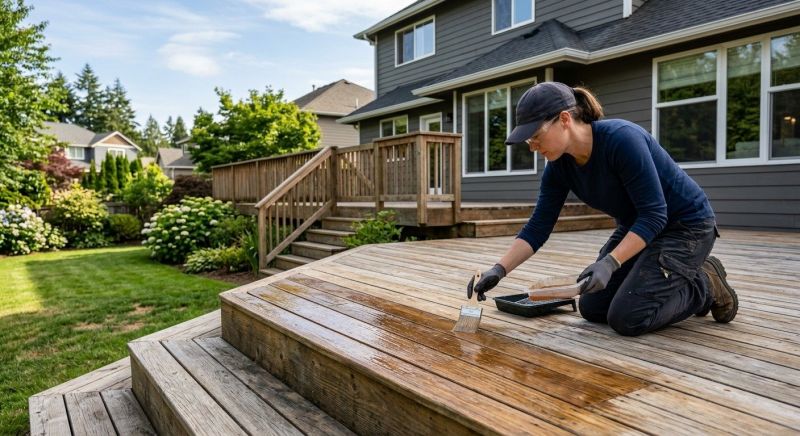
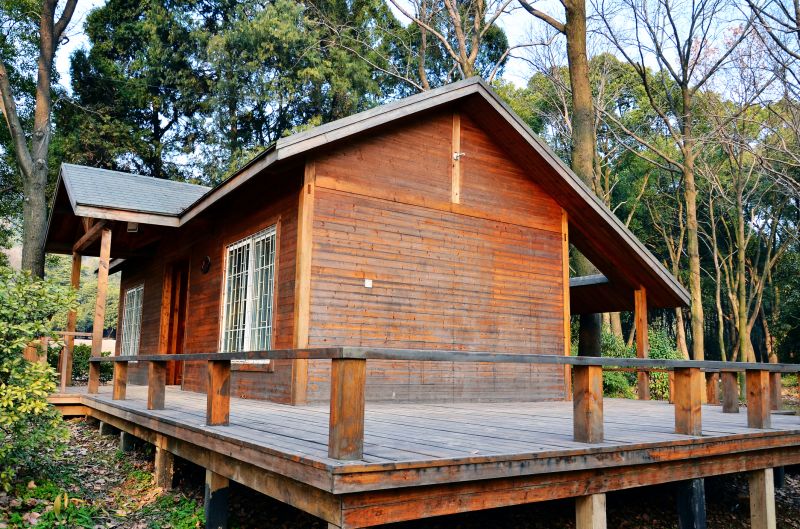
Log home weatherproofing services focus on protecting wood structures from the elements to ensure longevity and durability. This service typically includes sealing, staining, and applying protective finishes to logs and timber to prevent water intrusion, reduce cracking, and minimize damage caused by moisture, UV rays, and temperature fluctuations. Projects often involve re-sealing existing log homes, applying new protective coatings, or preparing new construction for weather exposure. Property owners usually want to understand the types of weatherproofing products used, the best timing for application, and how to maintain their home’s exterior to maximize its lifespan.
Before requesting weatherproofing services, homeowners should consider the current condition of their log home’s exterior, including any signs of damage or wear. It’s helpful to know the age of the structure, previous treatments, and specific concerns such as areas prone to water pooling or cracking. Understanding the recommended frequency of reapplication and the best practices for ongoing maintenance can also aid in making informed decisions. Proper weatherproofing can help preserve the natural beauty of a log home while protecting it from the challenges posed by the local climate.
Many property owners in Seattle, WA look into Log Home Weatherproofing for repairs, replacements, upgrades, and appearance-related improvements.
Protecting Log Homes From Moisture
Weatherproofing helps prevent water damage and extends the lifespan of log structures.
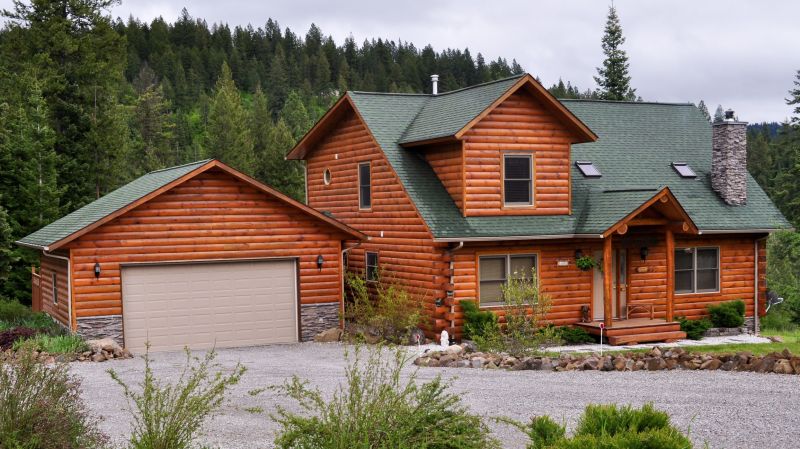
Sealing And Staining Solutions
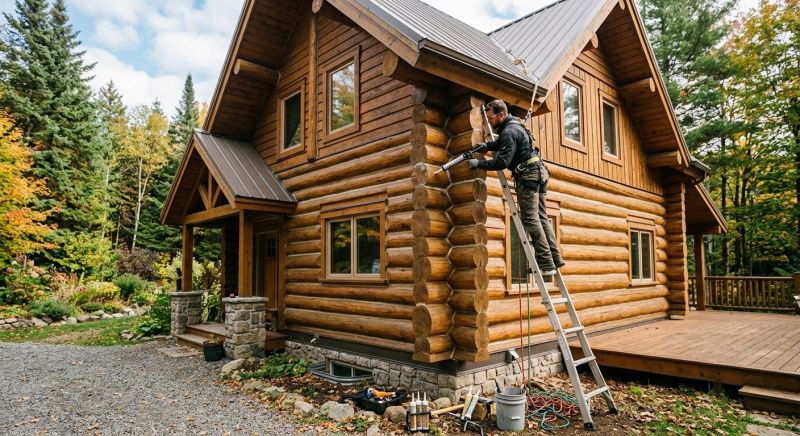
Proper sealing and staining improve durability and maintain the appearance of log exteriors.
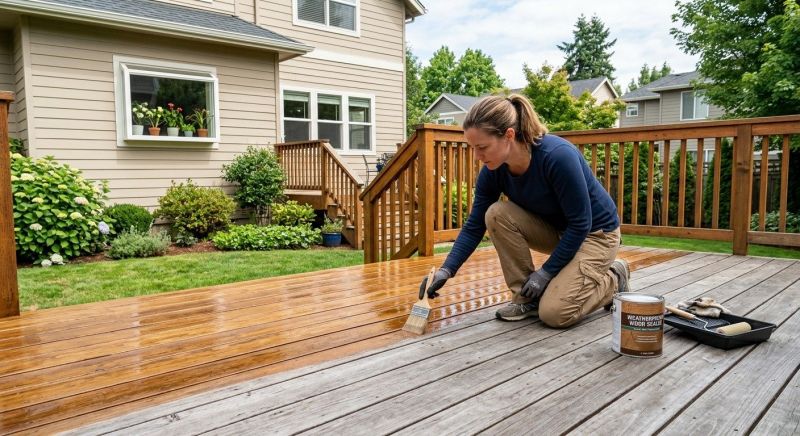
Maintenance For Year-Round Comfort
Regular weatherproofing ensures your log home remains comfortable and energy-efficient throughout the seasons.
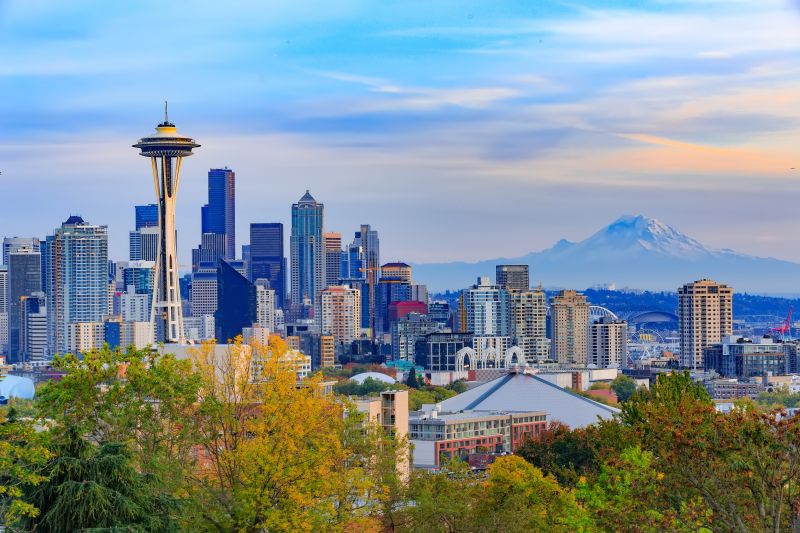
Log Home Weatherproofing in Seattle, WA
Log home weatherproofing services focus on protecting wood structures from the elements to ensure longevity and durability. This service typically includes sealing, staining, and applying protective finishes to logs and timber to prevent water intrusion, reduce cracking, and minimize damage caused by moisture, UV rays, and temperature fluctuations. Projects often involve re-sealing existing log homes, applying new protective coatings, or preparing new construction for weather exposure. Property owners usually want to understand the types of weatherproofing products used, the best timing for application, and how to maintain their home’s exterior to maximize its lifespan.
Before requesting weatherproofing services, homeowners should consider the current condition of their log home’s exterior, including any signs of damage or wear. It’s helpful to know the age of the structure, previous treatments, and specific concerns such as areas prone to water pooling or cracking. Understanding the recommended frequency of reapplication and the best practices for ongoing maintenance can also aid in making informed decisions. Proper weatherproofing can help preserve the natural beauty of a log home while protecting it from the challenges posed by the local climate.
Many property owners in Seattle, WA look into Log Home Weatherproofing for repairs, replacements, upgrades, and appearance-related improvements.
Common Log Home Weatherproofing Jobs
Log Home Weatherproofing - protects the structure from moisture and weather damage to extend its lifespan.
Sealing and Caulking - addresses gaps and cracks to prevent drafts and water intrusion.
Exterior Staining and Finishing - enhances weather resistance and maintains the wood’s appearance.
Roof and Gutter Inspection - ensures proper drainage and prevents water buildup around the foundation.
Chinking and Log Repair - seals joints and repairs damaged logs for improved weather tightness.
Insulation Enhancement - improves energy efficiency by reducing heat loss through the exterior walls.
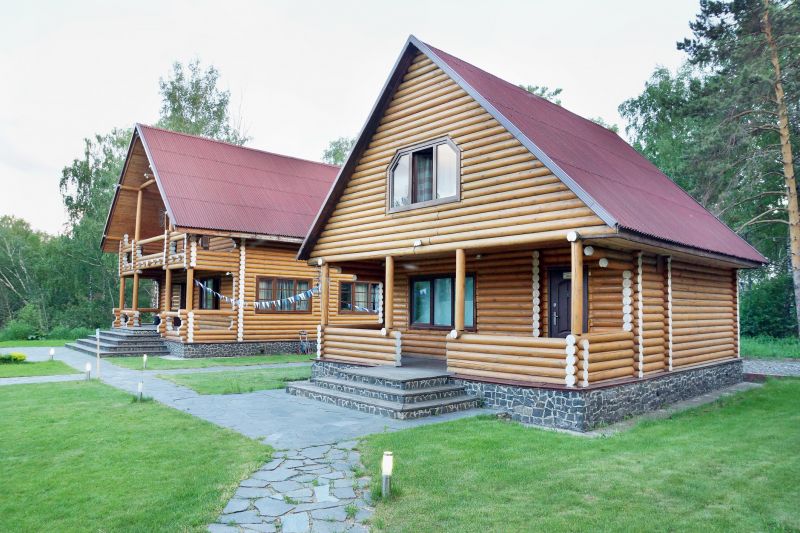
Log Home Weatherproofing Questions
Why is weatherproofing important for log homes? It helps protect logs from moisture, preventing rot, mold, and decay, and extends the lifespan of the structure.
What types of weatherproofing treatments are available? Treatments include sealants, stains, and protective coatings designed to block water penetration and UV damage.
How often should a log home be weatherproofed? Regular inspections and reapplication of protective treatments are recommended every few years to maintain effectiveness.
Can weatherproofing improve the energy efficiency of a log home? Yes, proper weatherproofing reduces drafts and heat loss, helping to improve overall energy efficiency.
Request Log Home Weatherproofing in Seattle, WA
Use the quote form on this page to share the basics of your project and request more information for the type of work you need.